

Providing Native Plants to
Wisconsin Gardeners
New Additions for 2026
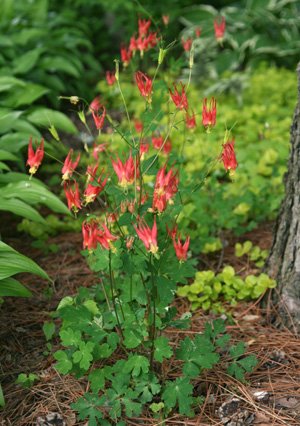
Aquilegia canadensis
Pot Size: 3.5”
Height: 2’
Width: 1’
Color: Red
Bloom Time: May-June
Sun Exposure: Full, Shade
Soil Moisture: Medium, Dry
USDA Hardiness Zones: 3-8
Red Columbine features fern like foliage and nodding red and yellow blossoms. Blooming from spring into early summer, its downward facing flowers are an early food source for hummingbirds and bumblebees. Highly adaptable and self seeding, this deer and rabbit resistant plant naturalizes to fill open gaps. Aquilegia canadensis thrives in full sun or shade and excels in well-drained soils. A well timed chop to the ground, after seeds mature, encourages new growth from the base.
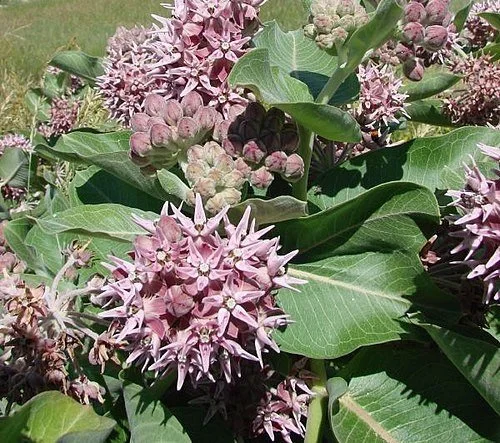
Asclepias speciosa
Pot Size: 3.5”
Height: 3’
Width: 3’
Color: White, Pink
Bloom Time: June-August
Sun Exposure: Full
Soil Moisture: Medium, Dry
USDA Hardiness Zones: 3-9
Showy Milkweed features velvety leaves and large clusters of fragrant, rose pink flowers that bloom throughout the summer. As an essential host plant, its leaves feed monarch caterpillars, while its nectar attracts a wide variety of native bees and pollinators. Perfect for water wise landscapes, pollinator pathways, and sunny borders, Asclepias speciosa thrives in full sun and adapts easily to clay or sandy soils.
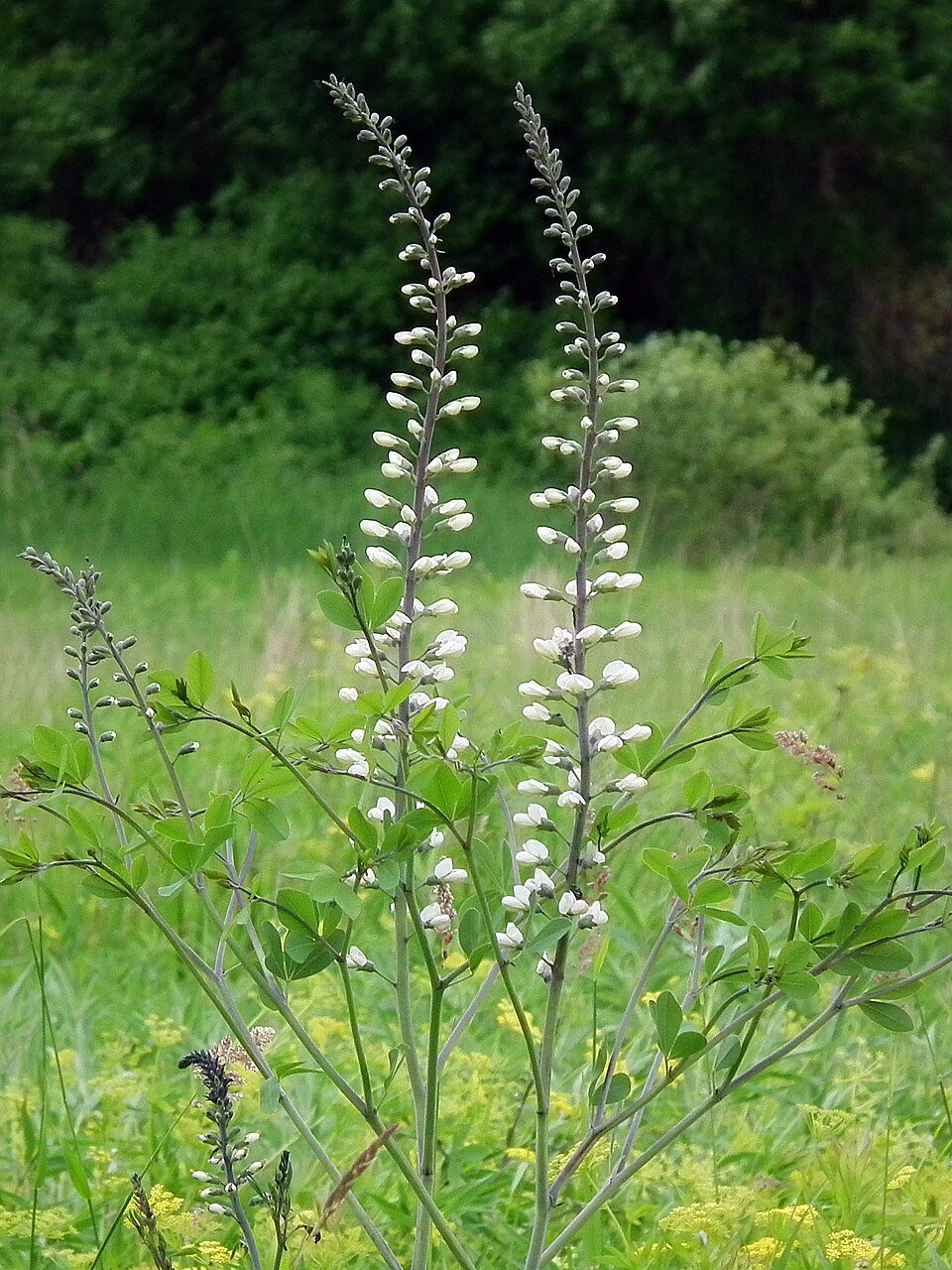
Baptisia alba
Pot Size: 3.5”
Height: 4’
Width: 3’
Color: White
Bloom Time: June, July
Sun Exposure: Full, Part
Soil Moisture: Medium-Wet, Medium, Dry
USDA Hardiness Zones: 4-9
White Wild Indigo forms a shrub like mound of blue green foliage, topped in late spring with white blossoms. After blooming, its seed pods provide winter interest and food for birds. Exceptionally hardy, deep rooted, and drought tolerant, Baptisia alba thrives in full sun and clay soils while acting as a host plant for several native butterflies, including the yellow Southern Dogface and Eastern Tailed-Blue.
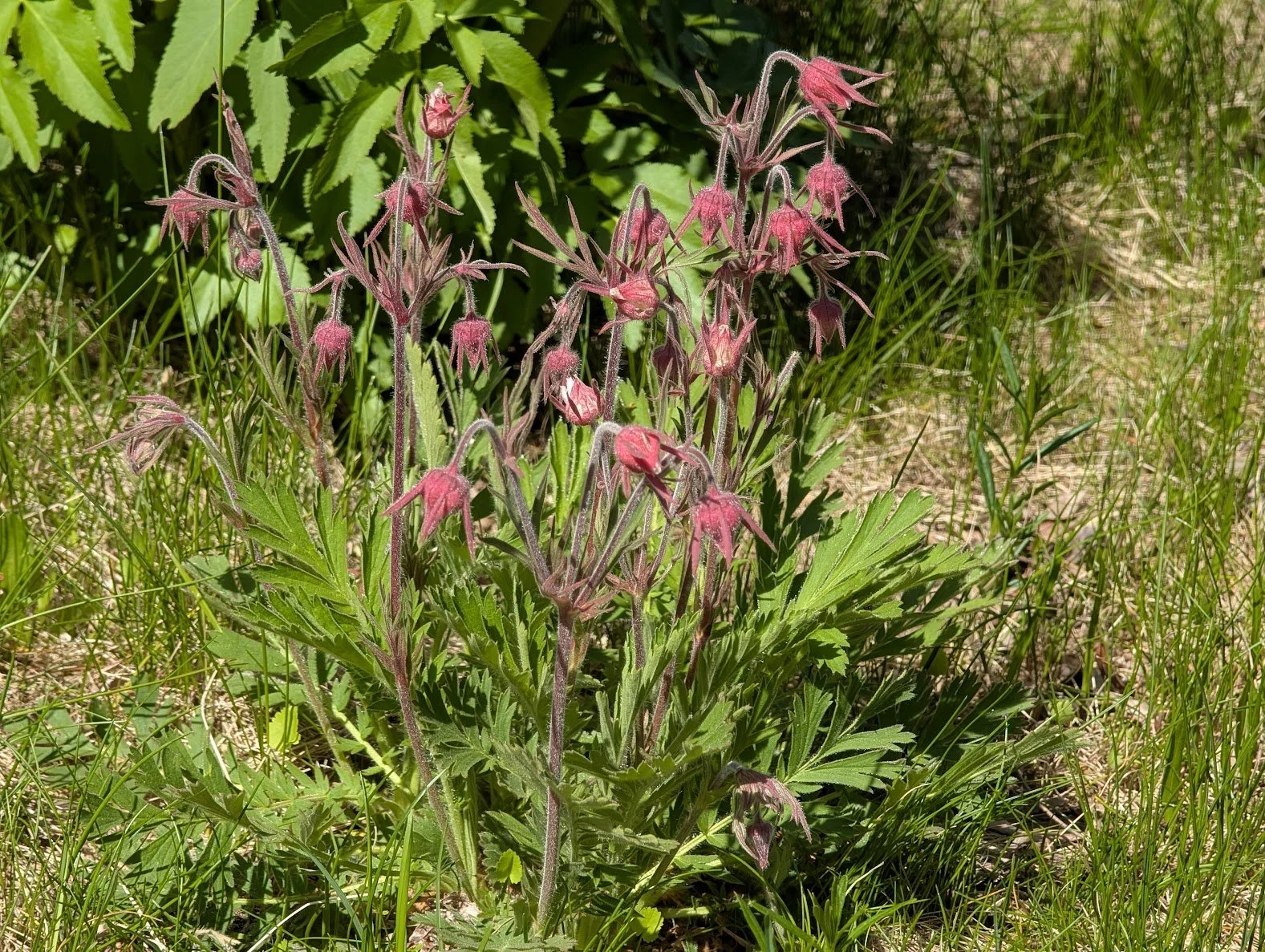
Geum triflorum
Sold out for 2026
Pot Size: 3.5”
Height: 8”
Width: 10”
Color: Pink
Bloom Time: April-June
Sun Exposure: Full, Part
Soil Moisture: Medium, Dry
USDA Hardiness Zones: 3-7
This low growing native features nodding pink flowers in spring. Prairie Smoke is an important food source for early season pollinators, including overwintered bumblebee queens. After pollination, the flowers turn upright and produce silky strands that resemble smoking chimneys.
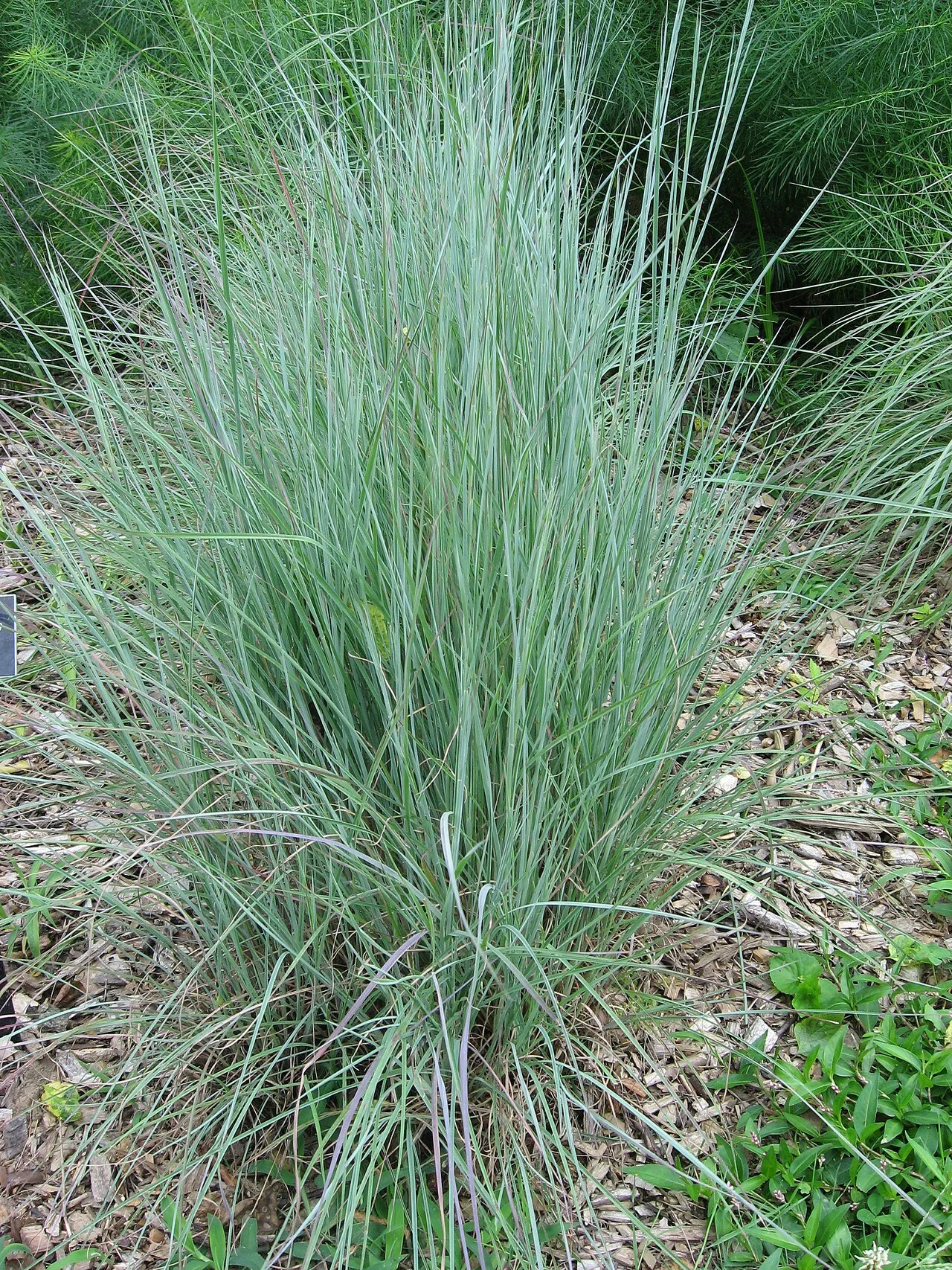
Schizachyrium scoparium
Pot Size: 3.5”
Height: 3’
Width: 1’
Color: Green, Blue
Bloom Time: July-October
Sun Exposure: Full, Part
Soil Moisture: Medium, Dry
USDA Hardiness Zones: 3-9
Little bluestem is a resilient North American native bunchgrass with blue-green summer foliage that turns to shades of bronze and orange in the fall. Schizachyrium scoparium grows 3 feet tall and thrives in tough conditions, providing year round food and shelter for local wildlife.
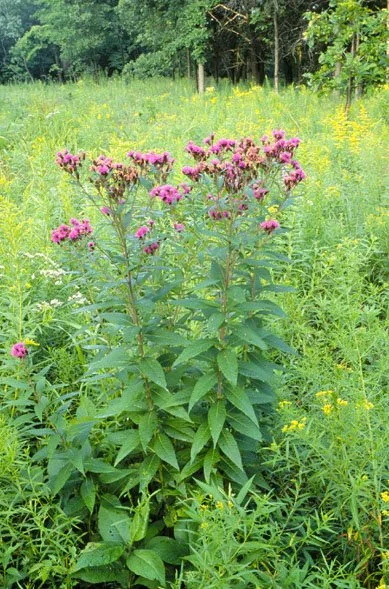
Vernonia fasciculata
Pot Size: 3.5”
Height: 6’
Width: 3’
Color: Purple
Bloom Time: July-September
Sun Exposure: Full, Part
Soil Moisture: Medium
USDA Hardiness Zones: 3-9
Common Ironweed features upright stems that support dense, flat topped clusters of purple blossoms from late summer through autumn. Known for its tough-as-iron stems, it serves as a magnetic nectar source for monarchs, swallowtails, and native bees as summer flowers begin to fade. Vernonia fasciculata thrives in full to part sun, tolerating heavy clay and temporary flooding with ease.
Amorpha canescens
Pot Size: 3.5”
Height: 3’
Width: 1’
Color: Purple
Bloom Time: June-August
Sun Exposure: Full, Part
Soil Moisture: Medium, Dry
USDA Hardiness Zones: 3-8
Lead plant is a nitrogen fixing member of the pea family. While slow to establish, this long lived perennial grows roots over 10 feet deep. At maturity, it features dusty, green foliage with strands of purple flowers on woody stems. Tolerant of clay or sandy soils, this plant is rabbit tolerant after it’s establishment period. The plant was speculated to be an natural indicator of lead ore deposits beneath the soil. Hosts the yellow Southern Dogface butterfly.